Why AI-Powered Personal Assistants Are Becoming a Must-Have in 2025
Imagine waking up and your digital assistant has already brewed your coffee, summarized your calendar, filtered your inbox, and even prepped your grocery list based on what’s missing in your fridge. No, this isn't science fiction. It's 2025—and AI-powered personal assistants are not just luxury gadgets anymore, they're a necessity for anyone navigating the fast-paced digital world. From Gen Z freelancers to busy parents and corporate professionals, AI assistants are shaping how we work, live, and relax. So, why exactly are they becoming must-haves this year?
The Rise of AI Assistants: More Than Just Voice Commands
Back in the early 2020s, AI assistants like Siri, Alexa, and Google Assistant were mostly limited to voice commands—setting timers or checking the weather. Fast forward to 2025, and we’re talking about AI that can manage your day, automate repetitive tasks, anticipate your needs, and even boost your mental health. These AI companions now use machine learning to adapt to your routines, preferences, and even moods.
They integrate seamlessly with smart home devices, digital calendars, communication tools, and fitness apps. AI is no longer a tool—it’s a partner. According to a recent McKinsey report, personal productivity increased by up to 40% for users who employed advanced AI assistants in their daily routines.
Real-Life Benefits: Why People Are Adopting AI Assistants Rapidly
One major reason for the explosive adoption of AI assistants is personal productivity. These tools take over mundane tasks like scheduling meetings, replying to routine emails, setting reminders, and even helping with budgeting and wellness check-ins. For creators and entrepreneurs, AI helps generate content ideas, optimize workflows, and manage customer engagement.
More advanced systems like ChatGPT, xAI (from Elon Musk), and Claude have evolved from simple Q&A bots into fully functioning personal aides. They can analyze documents, schedule your day, draft emails, and even offer advice on lifestyle improvement. As a result, people are freeing up hours per week—time they can spend with family, pursue hobbies, or simply unwind.
Gen Z Loves It: The AI Lifestyle Craze
Gen Z and young millennials are among the biggest adopters. Why? Because they value efficiency, customization, and work-life balance. They're already used to digital integration—smartphones, apps, wearables—and AI assistants simply enhance this lifestyle. Tools like Replika, Notion AI, and Siri Shortcuts are trending because they make life smoother, less stressful, and more personalized.
It's not just about work either. Many Gen Z users employ AI to help with mental health tracking, journaling, fitness planning, and even relationship advice. It’s self-care powered by tech, a theme we've touched on before in this article on Gen Z's financial self-care habits.
How AI Personal Assistants Are Changing Work Culture
Remote and hybrid work has accelerated the need for virtual support. AI assistants are becoming crucial to managing tasks in a decentralized workspace. Need to track project timelines, schedule Zoom meetings across time zones, or summarize a 20-page report in 30 seconds? Your AI assistant’s got it covered.
They’re not replacing humans—they’re enhancing humans. Workers are more focused and less stressed, which improves output and overall job satisfaction. Companies like Google and Microsoft have even begun integrating advanced AI assistants directly into their productivity suites (Google Gemini and Microsoft Copilot).
The AI Assistant You Can’t Live Without in 2025
- Rewind AI: Records everything you do on your Mac and makes it searchable.
- Humane AI Pin: Wearable device replacing your phone's role with an AI projector and voice assistant.
- Notion AI: Personal productivity tool for writers, planners, and students.
- Pi.ai: Emotional support + productivity + friendly AI chat.
These aren’t just tools; they’re part of your day-to-day flow. Some even track your tone of voice, detect stress, and suggest breaks. Welcome to the era of hyper-personalized digital wellness.
Potential Risks and How to Use AI Responsibly
With power comes responsibility. While AI assistants offer unmatched convenience, they also raise concerns about data privacy, over-dependence, and mental laziness. Always check the data-sharing policies and opt for assistants that offer full transparency and end-to-end encryption. Set clear boundaries—use AI to assist, not dominate your routine.
Also, keep a human element in your decision-making. Let AI recommend, but you decide. For more on making smart decisions in digital life, check out these 10 smart habits to make life easier.
Final Thoughts
AI-powered personal assistants are no longer optional—they’re essential. In 2025, living smart means living with AI. They enhance how we manage time, health, work, and well-being. The tech is getting better, smarter, and more human-friendly by the day. If you haven’t tried one yet, you might just be working too hard for no reason.
So, are you ready to level up your life with AI?
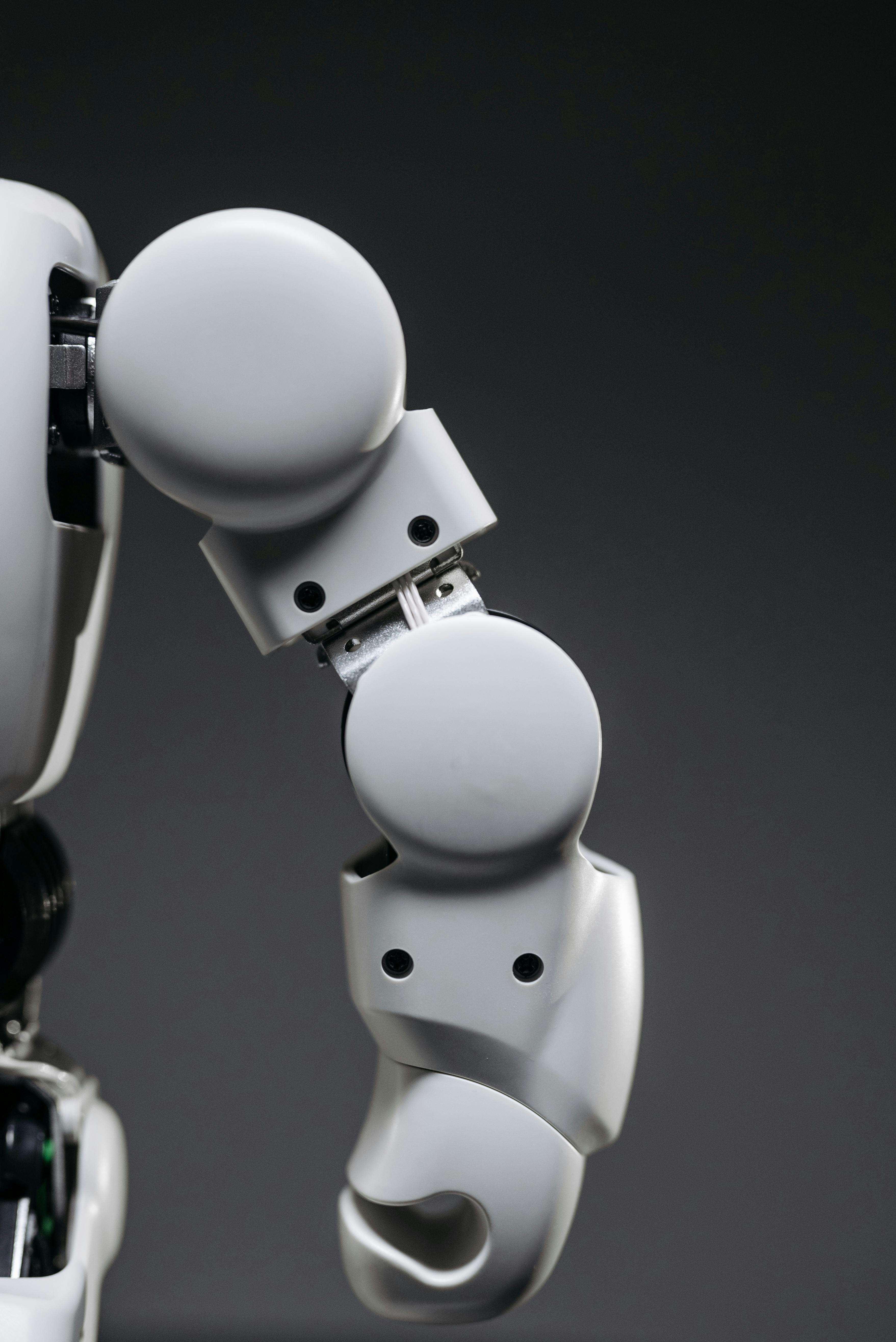
FAQ: AI Assistants in 2025
Are AI personal assistants safe to use?
Yes, as long as you choose reputable platforms that offer encrypted data handling and respect user privacy. Always read their terms before giving access to personal info.
Can AI assistants help with mental health?
Some assistants offer mental health tracking, journaling prompts, and wellness tips. While they’re no replacement for a therapist, they can be great support tools.
Do I need a smart home to benefit from AI assistants?
Not necessarily. Many AI tools work well on just your phone or laptop. However, pairing them with smart home devices enhances the experience.
What’s the best AI assistant in 2025?
It depends on your needs. For daily productivity, Notion AI is great. For wearable AI, check out Humane AI Pin. For emotional support, Pi.ai is trending.
💬 What Do You Think?
Have you tried an AI personal assistant? Which one’s your favorite—or which feature are you most excited about? Share your thoughts in the comments below!
Comments
Post a Comment